

Key takeaways
- There is no legal rule that small businesses need an accountant, but most growing firms benefit from one.
- 2026 brought Making Tax Digital for Income Tax, the end of HMRC’s free company filing service, doubled company tax return penalties and Companies House identity checks.
- A good accountant saves tax, time and penalties, and helps you make better decisions about pay, VAT and structure.
- The best time to appoint one is before you start trading, register for VAT, hire staff or form a company.
Do small businesses need an accountant? It is one of the first questions new business owners ask, and one that established owners revisit every January. The honest answer is that nobody is legally required to use one. Sole traders can file their own Self Assessment returns, and company directors can prepare their own accounts. Yet most growing businesses end up working with an accountant, and in 2026 the case for doing so is stronger than ever.
This article explains why small businesses need an accountant, what has changed recently, what an accountant actually does through the year, how the cost compares with doing it yourself, and how to choose the right firm. It is written by the LPA Accountancy team in Glasgow, who work with sole traders, landlords, contractors and limited companies across Scotland and the rest of the UK.
Do small businesses need an accountant by law?
No UK law requires a small business to appoint an accountant. HMRC and Companies House accept returns and accounts filed by owners themselves, as long as they are accurate and on time. Larger companies may need an audit, but most small companies are exempt.
What the law does require is that you keep proper records, register for the right taxes, file returns by their deadlines and pay the correct amount of tax. Those duties apply whether or not you use an accountant, and the penalties for getting them wrong fall on you. In practice, the reason small businesses need an accountant is not a legal one; it is that meeting those duties properly, while running a business, is hard to do well alone.
9 reasons small businesses need an accountant
1. Paying the right tax
Allowable expenses, capital allowances and reliefs are claimed correctly, and nothing is claimed that HMRC would reject.
2. Never missing a deadline
Self Assessment, VAT, payroll, corporation tax and Companies House each have their own dates and penalties.
3. Better decisions
Accurate monthly figures show which customers, products and jobs actually make money.
4. Predictable cash flow
You know what to set aside and when, so tax bills are never a surprise.
5. The right structure
Sole trader, partnership or limited company affects tax, liability and paperwork.
6. Time back
Hours spent on bookkeeping and forms are hours not spent winning work.
7. Help with HMRC
An agent handles letters, enquiries and time to pay arrangements for you.
8. Credibility
Lenders, landlords and investors trust professionally prepared accounts.
9. Peace of mind
Knowing your tax affairs are right lets you focus on the business.
Bonus: growth support
Forecasts, funding applications and advice when you want to expand.
Of these, owners usually value the time saved and the peace of mind most, while the tax saving is what pays for the service. A good accountant should be able to point to specific things they have saved or avoided for you each year.
Why small businesses need an accountant more in 2026
Several changes since April 2026 have raised the stakes for owners who do their own tax:
- Making Tax Digital for Income Tax. Sole traders and landlords with qualifying income over £50,000 now keep digital records and send quarterly updates to HMRC. The threshold falls to £30,000 in April 2027 and £20,000 in April 2028. See our Making Tax Digital for Income Tax guide.
- No free company filing. HMRC’s joint online service for company accounts and tax returns closed on 31 March 2026, so companies now need commercial software or an agent. Our company tax return guide explains the new process.
- Doubled penalties. Late filing penalties for company tax returns due from 1 April 2026 rose to £200, then £400 after three months.
- Identity verification. Directors and people with significant control must verify their identity with Companies House, and confirmation statements cannot be filed until they do. Read our identity verification guide.
- Payroll changes. Statutory sick pay became payable from the first day of sickness, and the National Living Wage rose to £12.71 an hour.
Individually, each change is manageable. Together they mean more systems, more deadlines and more ways to get caught out, which is why more small businesses need an accountant than a few years ago.
Not sure if your business needs an accountant?
Tell us what you do and we will tell you honestly whether we can help, and what it would cost. Fixed fees, agreed before we start.
Get a fixed-fee quoteWhatsApp 0330 043 6250Accountant, software or DIY: what does it cost?
| Approach | Best for | Watch out for |
|---|---|---|
| Doing it yourself | Very simple sole traders with few expenses | Missed reliefs, penalties, your own time |
| Software only | Owners who enjoy bookkeeping and have simple affairs | No advice, no planning, no help with HMRC |
| Software plus an accountant | Most growing businesses, landlords and companies | Choose fixed fees and clear service levels |
Most accountants for small businesses charge a fixed monthly fee based on the work involved: bookkeeping volume, VAT, payroll and the type of return. When you weigh that fee against the tax saved, the penalties avoided and the hours you get back, the service often costs less than it seems. The useful question is not whether small businesses need an accountant at all, but what level of service suits yours. Our accountant fees page explains how pricing works.

When small businesses need an accountant most
There are moments when professional help makes a disproportionate difference:
- Before you start. Choosing a structure, registering with HMRC and setting up bookkeeping properly is far cheaper than fixing it later.
- Approaching the VAT threshold. Registration is required once taxable turnover passes £90,000 in a rolling twelve months; the right scheme and pricing decisions matter.
- Hiring your first employee. PAYE registration, payroll, pensions and employment costs all start on day one.
- Forming a limited company. Salary, dividends, director loans and Companies House duties need setting up correctly.
- Raising finance or selling. Lenders and buyers expect clean, credible figures.
- Receiving an HMRC letter. A prompt, professional response often resolves things quickly.
Signs your small business needs an accountant now
- You do not know how much tax you will owe next January.
- Receipts and invoices are piling up unrecorded.
- You have had a penalty or a letter from HMRC.
- Turnover is getting close to £90,000.
- You pay yourself without knowing whether salary or dividends is better.
- You want a mortgage or loan and need reliable accounts.
- You are running payroll yourself and unsure it is right.
- Bookkeeping is eating into evenings and weekends.
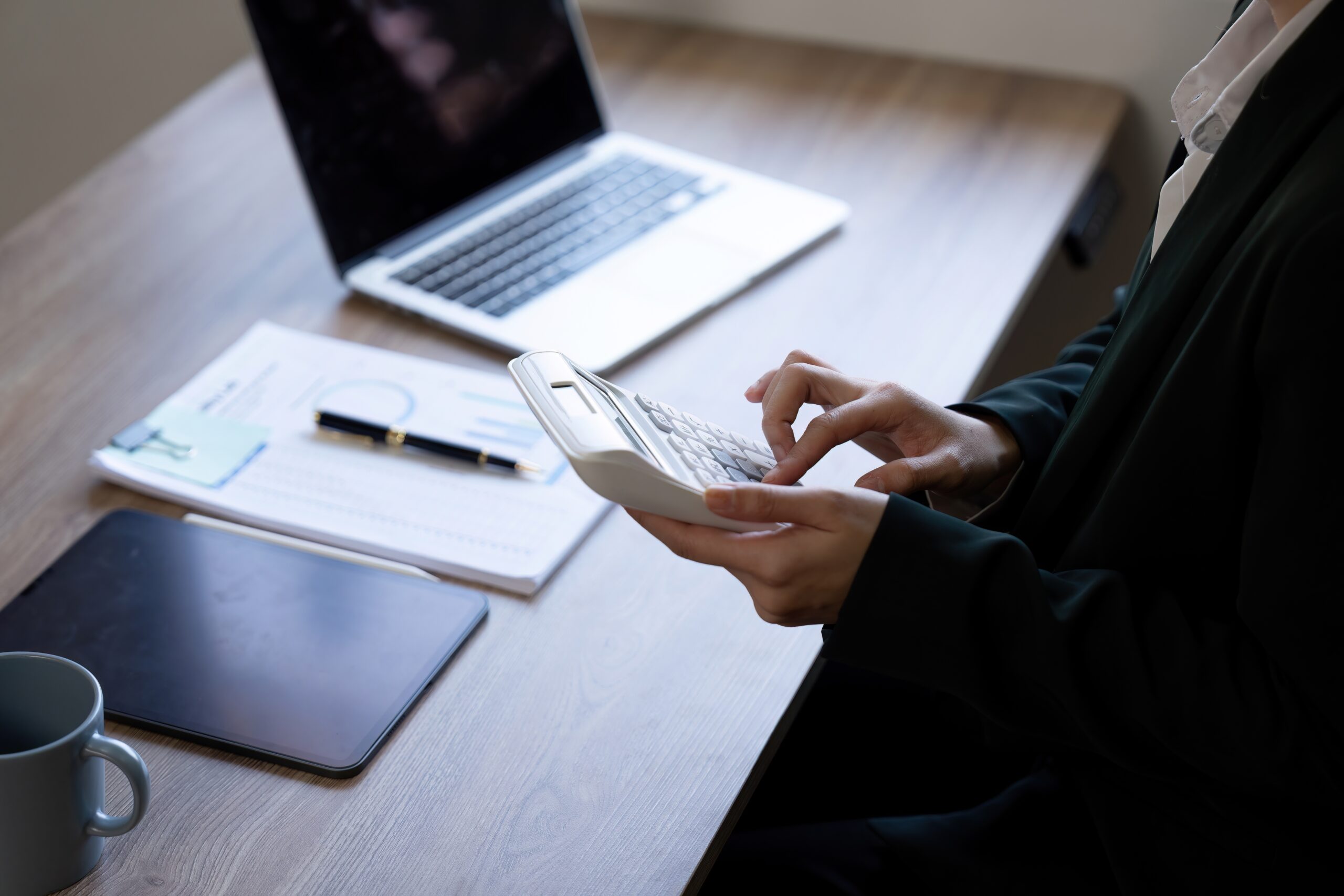
What an accountant does through the year
| When | What happens |
|---|---|
| Every month | Bookkeeping review, payroll, management figures |
| Every quarter | VAT returns; Making Tax Digital updates for sole traders and landlords |
| Before the year end | Tax planning: equipment, pensions, dividends |
| After the year end | Annual accounts, corporation tax return, confirmation statement |
| January and July | Self Assessment returns and payments on account |
Working this way spreads the effort across the year, so there is never a last-minute scramble. It also means your accountant spots problems while there is still time to act, rather than months after the year has ended.
How to choose the right accountant
Choosing well matters as much as choosing at all. Look for these things:
- Regulation. Accountancy firms must be supervised for anti-money laundering purposes. Ask who supervises them.
- HMRC agent status. A registered agent can deal with HMRC on your behalf.
- Fixed fees. A written quote before any work starts avoids surprise invoices.
- Software. Support for Xero, QuickBooks or FreeAgent and Making Tax Digital is essential.
- Responsiveness. Ask how quickly they reply and how you can reach them.
- Experience. Ask whether they work with businesses like yours.
Anyone can call themselves an accountant, but some titles, such as chartered accountant, are protected and can only be used by members of specific professional bodies. Whatever title a firm uses, checking its supervision and agent status is the best protection.
Why Scottish small businesses need an accountant
Businesses in Scotland face extra layers. Sole traders and directors who live in Scotland pay Scottish income tax, with six bands rather than three, so salary and dividend planning works differently from England. Property purchases fall under Land and Buildings Transaction Tax, and business rates are set separately. Using an accountant who works with Scottish rules every day means the right rates are used every time. Our guide to Scottish income tax rates explains the bands.
LPA Accountancy is based at 22 Milnpark Street in Kinning Park, Glasgow. We are AML supervised, an HMRC registered tax agent and a Companies House Authorised Corporate Service Provider, and we serve clients across Scotland and the UK remotely through the same team. See our small business accountants page for how we work.
What small businesses need an accountant to do
The services small businesses need from an accountant vary, but most packages include some combination of the following.
Bookkeeping and software
Setting up cloud software such as Xero, QuickBooks or FreeAgent, connecting bank feeds, capturing receipts with Dext and reviewing transactions so your records are always up to date.
Year-end accounts and tax returns
Preparing annual accounts, corporation tax returns for companies, Self Assessment returns for sole traders, partners and directors, and filing everything on time with HMRC and Companies House.
VAT
Registering at the right time, choosing the right scheme, preparing returns through Making Tax Digital software, and handling tricky areas such as the domestic reverse charge or sales to overseas customers.
Payroll
Running payroll, auto-enrolment pensions and statutory pay, and filing real-time information with HMRC every time you pay staff.
Advice and planning
Salary and dividend planning, pension contributions, capital purchases, business structure, cash flow forecasts and support with funding applications. This is where the biggest savings usually come from.
Common mistakes when owners do their own tax
- Mixing personal and business money, which makes it hard to prove expenses and easy to miss income.
- Claiming the wrong things, such as everyday clothing or normal commuting, which HMRC does not allow.
- Missing allowable costs, such as use of home, mileage or equipment, which means paying too much.
- Forgetting payments on account, so the second January bill comes as a shock.
- Crossing the VAT threshold without noticing, leading to back-dated VAT that cannot be recovered from customers.
- Taking money out of a company incorrectly, creating an overdrawn director loan account and an extra tax charge.
- Filing late, especially now company tax return penalties have doubled.
Each of these is common, and each is easy to prevent with the right systems and a quick review from an accountant. They are among the most practical reasons small businesses need an accountant, because the cost of fixing them later is almost always higher than the cost of preventing them.
Questions to ask before you appoint an accountant
- Who supervises you for anti-money laundering purposes?
- Are you an HMRC registered agent, and can you act for me with Companies House?
- What exactly is included in the fee, and what costs extra?
- Which software do you use, and can you set it up for me?
- How quickly do you reply, and how can I reach you?
- Do you work with businesses like mine?
- How will you help me plan, not just file returns?
A good firm will answer these clearly and put the answers in writing in an engagement letter. If you are already with an accountant but unhappy with the service, switching is straightforward; read about switching accountants.
An example: what the numbers can look like
Consider a hypothetical sole trader in Glasgow with £60,000 of turnover who files their own return. They claim obvious costs but miss use of home, mileage on client visits and capital allowances on a new laptop and tools. They also forget that payments on account will apply, so the following January they face last year’s balance plus half of next year’s estimated bill at the same time.
With an accountant, the missed expenses are claimed, the return is filed on time, payments on account are planned from the start, and they are told well in advance that Making Tax Digital for Income Tax applies because their turnover is above £50,000. They also get advice on whether VAT registration is approaching and whether a limited company would suit them as profits grow. The figures will be different for every business, but the pattern is common, and it is a clear illustration of why small businesses need an accountant rather than just software.
Why small businesses need an accountant: FAQs
Is it a legal requirement for small businesses to have an accountant?
No. But most growing businesses use one because the rules, deadlines and penalties make it worthwhile.
How much does an accountant cost for a small business?
Most charge a fixed monthly fee based on the work involved. Ask for a written quote before you commit.
Can accounting software replace an accountant?
Software records figures, but it does not give advice, spot planning opportunities or deal with HMRC for you.
When should a small business get an accountant?
Ideally before you start trading, and certainly before VAT registration, hiring staff or forming a company.
Do sole traders need an accountant?
Not legally, but many find it saves time and tax, especially now Making Tax Digital applies.
What should I look for in an accountant?
Anti-money laundering supervision, HMRC agent status, fixed fees, good software support and quick replies.
Talk to LPA Accountancy
Call or WhatsApp 0330 043 6250 any time, or send us a message. We reply to emails within 24–72 hours and quote fixed fees in writing before any work starts.
Contact usFree consultationLast updated 18 November 2026 by the LPA Accountancy team. This article gives general information, not personal advice; please speak to us about your own circumstances.